الأغاني
أغدًا ألقاك
Aghadan Alqak (Will I Meet You Tomorrow?)
- السنة
- 1971
- كلمات
- الهادي آدم
- ألحان
- محمد عبد الوهاب
- المقام
- Ajam
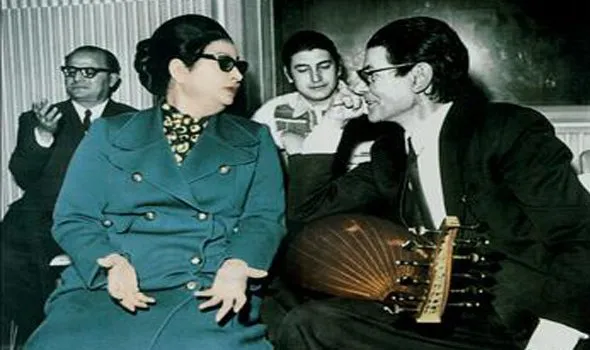
نقتبس هنا مقتطفات قصيرة لغرض الشرح والدراسة؛ فالكلمات الكاملة ما تزال محفوظة الحقوق. الشروح والمقال أدناه يرويان القصة كاملة.
السطور الموسومة بعلامة ذهبية تحمل شرحًا — اختر أيّها لقراءته.
أغدًا ألقاك؟ يا خوف فؤادي من غدِ
A-ghadan alqak? Ya khawfa fu'adi min ghadi
Will I meet you tomorrow? How my heart fears its tomorrow —
A song that opens on a question mark. Nearly all of Umm Kulthum's great qasidas look backward — at ruins, at memory, at a love already lived — but "Aghadan Alqak" is built entirely on anticipation: the meeting has not happened yet, and may not. The interrogative first word, hanging unresolved, gives the whole evening its engine of suspense.
She premiered the song in 1971 at the Qasr al-Nil hall in Cairo, in her seventies and nearing the end of the road: illness would halt her concerts the following year, and she died in 1975. "Aghadan Alqak" stands among the last major premieres of her half-century career — which lends its question an unintended poignancy, a singer asking "will I meet you tomorrow?" as the tomorrows ran out.
يا لشوقي واحتراقي في انتظار الموعدِ
Ya la-shawqi wa-htiraqi fi-ntizari l-maw'idi
oh, my longing, my burning, as I wait for the appointed hour
"Longing and burning in wait for the appointed hour": the poem is by al-Hadi Adam, the Sudanese poet and educator, chosen by Umm Kulthum from verse presented to her during her 1968 visit to Sudan — one of the fundraising journeys she made across the Arab world after 1967. It is the only lyric of his she ever sang, and it made him famous from ocean to gulf.
آه كم أخشى غدي هذا وأرجوه اقترابا
Ah kam akhsha ghadi hadha wa-arjuhu qtiraba
Ah, how I dread this tomorrow of mine, yet plead for it to come near —
Dread and plea in one breath: the lover fears tomorrow and begs it to hurry. This is the psychology of anticipation rendered with clinical honesty — hope experienced as a kind of fear. Umm Kulthum, then in her seventies, sang the trembling of a young lover awaiting a first meeting, and made the paradox utterly believable.
كنت أستدنيه لكن هبته لما أهابا
Kuntu astadnihi lakin hibtuhu lamma ahaba
I kept beckoning it closer, then trembled when it came
"I kept beckoning it closer, then trembled when it came" — the couplet turns on the courtly verb haba, to stand in awe. Abdel Wahab sets the fearful text, counterintuitively, in maqam Ajam — the bright, major-scale mode — so the music shines with exactly the hopeful light the words distrust. The friction between radiant melody and anxious poem is the composition's masterstroke.
هذه الدنيا كتاب أنت فيه الفكرُ
Hadhihi d-dunya kitabun anta fihi l-fikru
This world is a book, and you are the thought within it;
The poem's most quoted movement begins here: the world as a book whose every thought is the beloved. After the fever of waiting, the anaphora of "hadhihi d-dunya" (this world...) arrives like a creed recited, and Abdel Wahab broadens the melody to match — the intimate question of the opening enlarged into cosmology.
هذه الدنيا ليالٍ أنت فيها العمرُ
Hadhihi d-dunya layalin anta fiha l-'umru
this world is nights, and you are the life within them
The parallel completes itself: the world is nights, and the beloved is the life — the very lifetime — inside them. In concert this couplet drew storms of applause, and she would re-enter it repeatedly, re-balancing "book" against "nights," "thought" against "life," like a jeweler turning a stone.
معنى الأغنية
تكاد قصائد أم كلثوم الكبرى كلها تنظر إلى الوراء: إلى الأطلال والذكريات وحب عاشه صاحبه وانقضى. أما «أغدًا ألقاك» فمبنية بأكملها على الترقّب؛ فاللقاء لم يقع بعد، وقد لا يقع، والأغنية كلها وقوف على عتبة الغد بقلب يخاف ويرجو في آن واحد: «آه كم أخشى غدي هذا وأرجوه اقترابا».
والقصيدة للشاعر السوداني الهادي آدم، اختارتها أم كلثوم مما عُرض عليها من شعر خلال زيارتها للسودان عام 1968، ضمن جولاتها العربية للغناء لصالح المجهود الحربي بعد النكسة. وهي القصيدة الوحيدة التي غنّتها من شعره، وكفتْه شهرةً من المحيط إلى الخليج؛ فقلّما ظفر شاعر بأن تحمل «كوكبُ الشرق» اسمه إلى كل بيت عربي بأغنية واحدة. ولحّنها محمد عبد الوهاب في اختيار لافت: مقام العجم، أقرب المقامات إلى السلم الغربي الكبير بإشراقه وتفاؤله، فجاء اللحن مضيئًا بالأمل الذي تخافه الكلمات نفسها — وهذا التوتر بين نص قلق ولحن متهلل هو سر العمل وجماله.
وذروة القصيدة ثنائية «هذه الدنيا» الشهيرة: «هذه الدنيا كتاب أنت فيه الفكر، هذه الدنيا ليالٍ أنت فيها العمر». بعد حمّى الانتظار يتسع الغزل فجأة إلى رؤية كونية، فيصير المحبوب معنى الكتاب وعمر الليالي، وكان الجمهور يستقبل البيتين بعاصفة من التصفيق تعيدها إليهما مرارًا.
قدّمت أم كلثوم «أغدًا ألقاك» عام 1971 على مسرح قصر النيل بالقاهرة، وهي في أواخر مشوارها؛ فقد أوقف المرض حفلاتها بعد ذلك بعام تقريبًا، ورحلت في فبراير 1975. لذلك تُعد من آخر روائعها الكبرى، ويكتسب سؤالها افتتاحها مرارة لم يقصدها أحد: مغنية تسأل «أغدًا ألقاك؟» والغدُ نفسه ينفد من بين يديها. لعل هذا ما يمنح الأغنية مكانتها الخاصة في قلوب محبيها: إنها قصيدة الانتظار التي غنّتها سيدة لم يعد أمامها كثير مما تنتظره.
أغانٍ ذات صلة
كل الأغانيإنت عمري
1964 · المقام Kurd
إنت عمري (1964): «لقاء السحاب» بين أم كلثوم ومحمد عبد الوهاب — سياق الأغنية ولون مقام الكرد ومعناها في هذا الأرشيف المتحفي.
دارت الأيام
1970 · المقام Rahat al-Arwah
دارت الأيام (1970): من روائع لقاء أم كلثوم بمحمد عبد الوهاب — كلمات مأمون الشناوي عن الخصام والصلح وفجر ما بعد الهجر. مقتطفات مشروحة ومقال.
يا مسهرني
1972 · المقام Rast
يا مسهرني (1972): لحن سيد مكاوي الوحيد لأم كلثوم وآخر ما كتبه لها أحمد رامي — عتاب الساهرين على مقام الراست. مقتطفات مشروحة ومقال.
فكروني
1966 · المقام Rast
فكروني (1966): كلمة عابرة توقظ نار الشوق — لحن محمد عبد الوهاب على مقام الراست وكلمات عبد الوهاب محمد. المعنى والترجمة وقصة الليلة الأولى.
من الموسوعة
كل المقالاتمفاهيم
من أين تبدأ مع أم كلثوم: دليل المستمع
دليل المستمع الجديد إلى أم كلثوم: بأي الأغاني تبدأ، من إنت عمري إلى الأطلال، وكيف تستمتع بحفلات الطرب الطويلة وتسجيلاتها المتعددة.
تاريخ
وفاة أم كلثوم وجنازتها
توفيت أم كلثوم في 3 فبراير 1975. قصة مرضها الأخير، والجنازة المليونية في القاهرة، والنعش الذي حمله الجمهور، وضريحها في البساتين، والحداد العربي عليها.
تاريخ
قائمة أغاني أم كلثوم الكاملة
قائمة أغاني أم كلثوم كاملة من 1924 إلى 1973، عقدًا بعد عقد: كل أغنية بسنتها وكاتبها وملحنها — قرابة 320 عملًا مع أغاني الأفلام الستة.